
Understanding Buddhist Funeral Services: A Journey of Respect and Enlightenment
Buddhism, a faith grounded in compassion, mindfulness, and the impermanence of life, offers a unique perspective on death and the afterlife. For families seeking a spiritual and dignified way to honor their loved ones, Buddhist Funeral Services offer a peaceful, meaningful experience rooted in ancient traditions and philosophical depth. These services are not just about saying goodbye—they are also about guiding the departed soul toward a favorable rebirth and creating merit that benefits both the living and the deceased.
Buddhist funeral practices may vary depending on cultural background—Chinese, Thai, Japanese, Tibetan, or Sri Lankan Buddhists each have slightly different customs—but they all share core principles. At the heart of every Buddhist funeral is the belief in rebirth and karma. The actions performed during and after death play a vital role in determining the deceased’s next life. As such, Buddhist funerals are solemn, compassionate, and spiritually guided affairs.
The Core Beliefs Behind Buddhist Funeral Traditions
Buddhists believe that life and death are parts of a continuous cycle known as samsara. The goal of life, in Buddhist thought, is to attain enlightenment and liberation from this cycle. At the moment of death, the consciousness leaves the physical body, and its destination depends on the karma accumulated over the individual’s lifetime. Therefore, Buddhist funeral rituals aim to ensure that the consciousness has the best chance of achieving a good rebirth—or even enlightenment.
One of the most vital aspects of Buddhist Funeral Services is the generation of positive energy and merit. Families and friends engage in prayers, chanting, and offerings to create a conducive environment for a peaceful transition. Monks or spiritual leaders are often invited to preside over the ceremony, chanting Buddhist sutras and guiding the spirit toward the path of Dharma.
Common Elements in Buddhist Funeral Services
While funeral practices may vary by region, several elements are commonly observed in Buddhist Funeral Services:
1. Chanting and Prayers
Monks usually perform chants from Buddhist scriptures, such as the Heart Sutra or the Amitabha Sutra. These chants are meant to calm the mind of the deceased, create merit, and ease their passage into the next life. Attendees may also participate in the chanting, creating a collective atmosphere of compassion and peace.
2. Offerings and Altar Setup
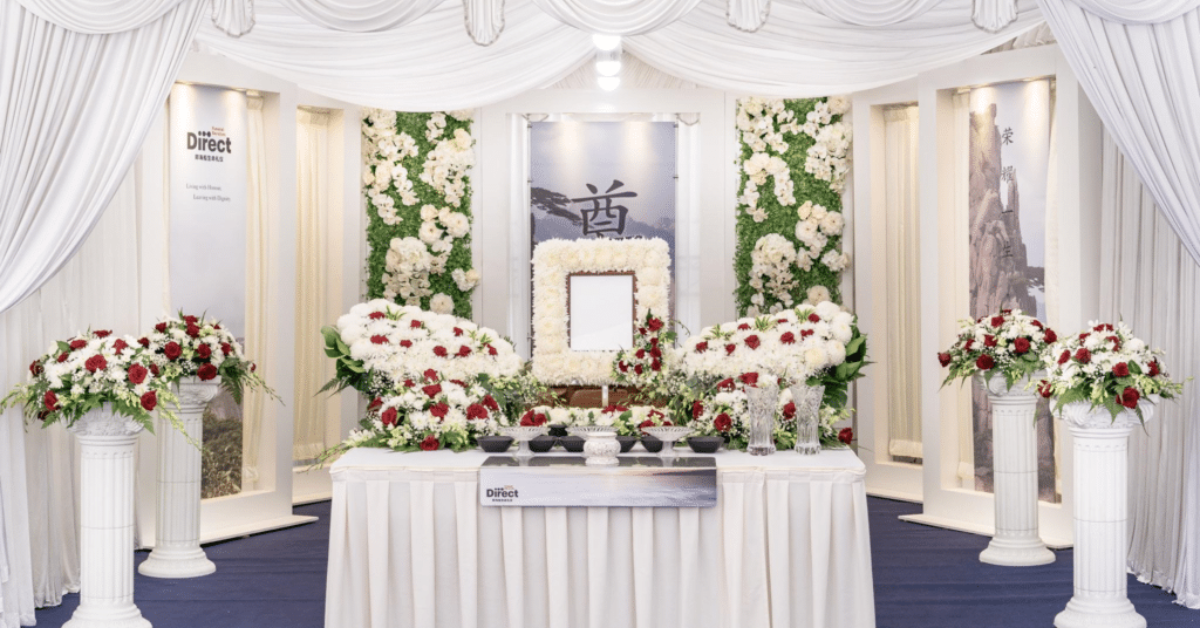
A Buddhist altar is usually set up at the funeral site, which may include a statue or image of the Buddha, candles, incense, flowers, and food offerings. These items symbolize impermanence, purity, and devotion. The offerings are not only made for the benefit of the deceased but also to reflect the universal truths of suffering and release.
3. Cremation or Burial
Buddhism does not strictly dictate whether the body should be buried or cremated; however, cremation is widely practiced, particularly in Theravāda and Mahāyāna traditions. The body is treated with great respect and care, and ceremonies around cremation are often accompanied by chanting and ritual gestures.
4. Post-Funeral Rites
The mourning period in Buddhist tradition may vary depending on the sect and family preference. Rituals are commonly performed on the 3rd, 7th, 49th, and 100th days following the death. These dates are spiritually significant, as they are believed to correspond with key moments in the soul’s transition. During these rites, family members may engage in acts of merit such as almsgiving, prayer, or releasing animals as symbolic gestures of compassion.
The Role of Monks and Community
Buddhist monks play a central role in the funeral process. Their presence is not merely ceremonial but deeply spiritual. Monks chant, bless the body, lead prayers, and offer guidance to the family. Their role helps to instill calm, reinforce Buddhist teachings on death, and channel merit to the deceased.
Equally important is the role of the community. Buddhist Funeral Services are not solely for mourning—they also serve as a moment of reflection for the attendees. The death of a loved one reminds the living of life’s impermanence, encouraging them to practice compassion, let go of attachments, and live mindfully.
Cultural Variations in Buddhist Funerals
While the spiritual essence remains constant, Buddhist funerals across cultures may vary:
-
Chinese Buddhist Funerals often combine Taoist and Confucian elements, and rituals may last several days. Paper offerings and elaborate chanting sessions are common.
-
Japanese Buddhist Funerals usually involve family participation in preparing the altar and may include the giving of a posthumous Buddhist name (kaimyo).
-
Thai Buddhist Funerals often involve monks chanting over several days, with a significant focus on making merit through donations and food offerings.
-
Tibetan Buddhist Funerals might involve sky burials or specific spiritual texts like the Tibetan Book of the Dead, read to guide the soul during the bardo state between death and rebirth.
Regardless of these regional differences, all forms of Buddhist Funeral Services focus on compassion, mindfulness, and spiritual progression.
Modern Adaptations and Funeral Planning
As more families in multicultural societies embrace Buddhist principles, funeral service providers have begun offering specialized packages that respect these traditions. These may include coordination with monks, altar preparation, cremation or burial arrangements, transportation, and even ongoing support for post-funeral rites.
Some providers now offer environmentally conscious options that align with Buddhist values of simplicity and non-harm. Green burials, biodegradable caskets, and eco-friendly cremation methods are becoming more popular, especially among younger generations influenced by both tradition and environmental awareness.
Moreover, families today are increasingly involved in personalizing the services. Slideshows of the deceased’s life, messages of compassion from loved ones, and musical tributes are often integrated into the formal rites, blending traditional solemnity with individual expression.
Why Families Choose Buddhist Funeral Services
For many, choosing Buddhist Funeral Services is not just about religious observance—it’s about honoring a way of life. These services provide comfort during a difficult time by emphasizing spiritual growth, mindfulness, and compassionate farewell. The structured rituals help families process grief, gain perspective, and contribute positively to the soul’s onward journey.
These services also resonate with non-Buddhists who appreciate their peaceful tone and spiritual depth. The Buddhist approach to death offers a gentle reminder of life’s fleeting nature and the importance of inner peace—universal messages that comfort people of all backgrounds.
Conclusion
Buddhist Funeral Services reflect a deep, enduring respect for life and its impermanence. They provide a compassionate, dignified way to honor the deceased, while guiding the soul toward its next stage in the journey of rebirth. As more families seek meaning and mindfulness in their rituals, these services offer a spiritual alternative grounded in centuries-old wisdom.
Whether steeped in tradition or adapted for modern sensibilities, Buddhist funerals remain a timeless path of farewell—filled with grace, reverence, and a focus on the eternal truths of existence.