Silver Exchange: Comprehensive Guide to Modern Silver Trading, Safety & Opportunities
Silver has long held a place of reverence among investors, collectors, and industrial users alike. Its unique blend of affordability, liquidity, and historical significance makes it an attractive asset in diversified portfolios. As the digital age reshapes traditional commerce, the Silver Exchange ecosystem has evolved, offering both seasoned traders and newcomers a sophisticated set of tools and platforms to buy, sell, and store silver safely.
Why Silver Remains a Strategic Investment
Before delving into the mechanics of the modern exchange, it is essential to understand why silver continues to command attention:
- Store of Value: In times of economic uncertainty, silver acts as a hedge against inflation and currency devaluation.
- Industrial Demand: From solar panels to medical equipment, the growing tech sector fuels a steady demand for high‑purity silver.
- Affordability: Compared to gold, silver offers lower entry barriers, enabling more investors to diversify with precious metals.
- Liquidity: Global markets and online platforms provide rapid conversion of silver holdings into cash.
The Evolution of Silver Trading Platforms
Historically, silver trading involved physical exchanges, broker desks, and over‑the‑counter (OTC) transactions. Digital transformation introduced electronic trading, driving down transaction costs and enhancing market transparency. Today, the most prominent technology-driven avenue is Silverexch Online, a platform that amalgamates real‑time pricing, secure vault storage, and a user‑friendly interface.
Key Features of a Modern Silver Exchange Platform
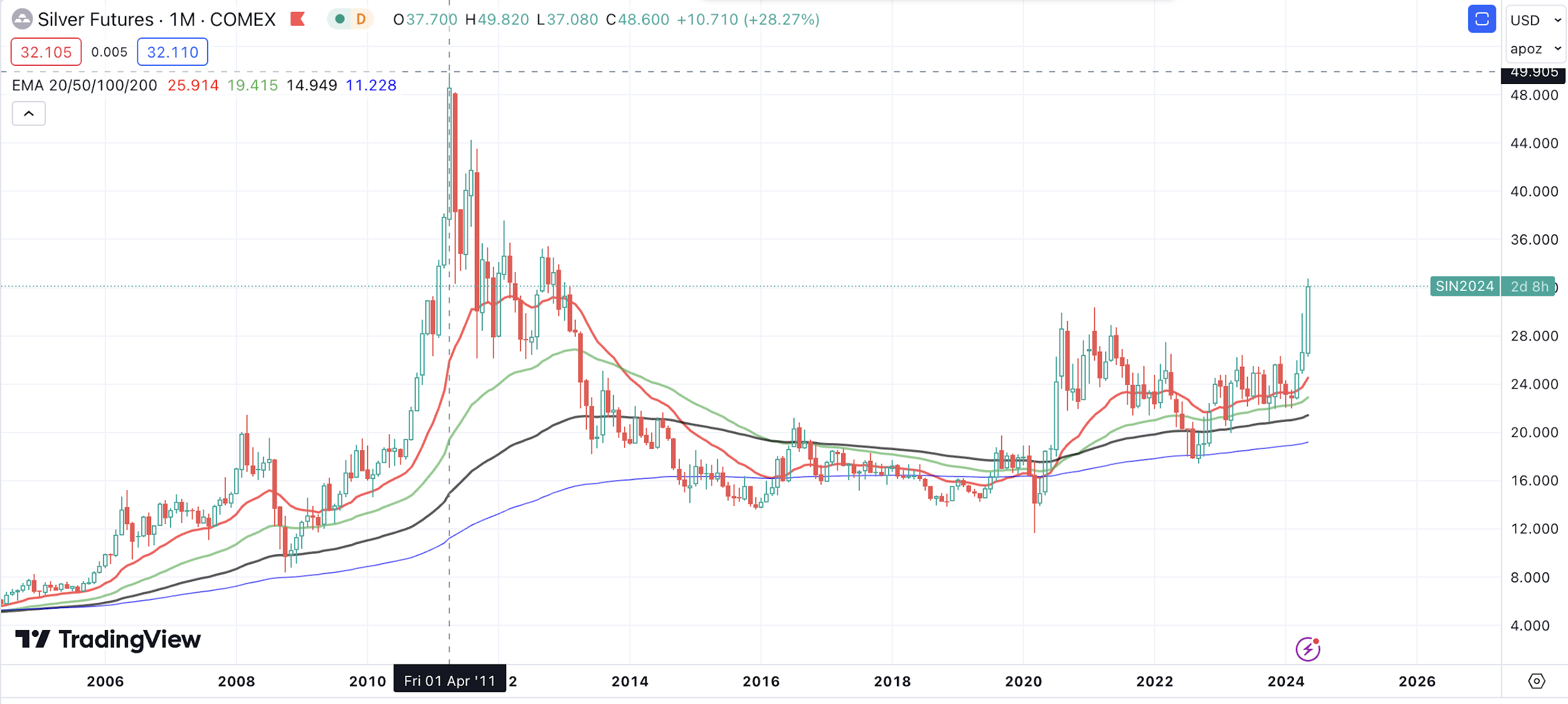
- Live Market Data: Instant access to spot prices, historical charts, and technical indicators.
- Secure Transaction Framework: Encrypted communication, two‑factor authentication, and compliance with anti‑money‑laundering (AML) regulations.
- Integrated Storage Solutions: Options for insured, vault‑stored silver that can be delivered on demand.
- Educational Resources: Tutorials, webinars, and market analyses that empower investors to make informed decisions.
Understanding the Mechanics of a Silver Exchange
At its core, a silver exchange functions as a marketplace where buyers and sellers meet to trade silver assets. The process can be broken down into several distinct stages:
1. Price Discovery
Prices are determined through a combination of spot market activity, futures contracts, and macro‑economic factors such as interest rates, geopolitical tensions, and industrial demand. Platforms like Silver Exchange aggregate feeds from multiple exchanges (e.g., COMEX, LBMA) to display a consolidated price that reflects global market sentiment.
2. Order Placement
Investors can place various order types:
- Market Order: Executed immediately at the current best price.
- Limit Order: Executed only when the price reaches a predefined level.
- Stop‑Loss Order: Triggers a market order once a specified loss threshold is hit, protecting capital.
3. Execution and Settlement
Once an order matches, the transaction is cleared through a central clearinghouse or directly between parties, depending on the platform’s architecture. Settlement may occur in physical silver (e.g., allocated bars) or in electronic units representing a fraction of a troy ounce, known as silver “coins” or “tokens.”
4. Custody and Delivery
Investors who prefer tangible assets can arrange for delivery to a secure vault, while those focused on portfolio rebalancing can keep holdings in electronic form. Services such as Silverexch Online partner with accredited storage providers, ensuring each gram is tracked, insured, and audited regularly.
Risk Management Strategies for Silver Traders
Trading silver, like any commodity, carries inherent risks. Effective risk management separates successful investors from speculative losses.
Diversification
Incorporate silver alongside other asset classes—equities, bonds, real estate—to reduce portfolio volatility. Because silver’s price often moves independently of traditional financial markets, it can act as a balancing force during downturns.
Position Sizing
Determine the appropriate portion of capital to allocate per trade. A common rule is to risk no more than 2% of total portfolio value on any single position, thereby limiting the impact of adverse price moves.
Technical and Fundamental Analysis
Blend chart‑based techniques (moving averages, RSI, Bollinger Bands) with fundamental insights (industrial demand forecasts, mining production data). The synergy of both approaches enhances timing precision.
Use of Stop‑Loss Orders
Pre‑define exit points to protect against sudden market reversals. On platforms like Silver Exchange, automated stop‑loss triggers ensure disciplined execution even when emotions run high.
Regulatory Landscape and Consumer Protection
Compliance standards vary across jurisdictions but converge on core principles:
- KYC (Know Your Customer): Verification of client identity to prevent fraud.
- AML (Anti‑Money Laundering): Monitoring transactions for suspicious activity.
- Investor Disclosure: Clear communication of fees, risks, and storage terms.
Reputable exchanges adhere to these regulations, often undergoing regular audits. For instance, Silverexch Online maintains ISO‑27001 certification for information security and follows FSC (Financial Services Commission) guidelines to safeguard client assets.
Tax Implications of Silver Trading
Tax treatment of silver varies globally. In many countries, silver is classified as a collectible, subject to capital gains tax rates distinct from ordinary income. Key considerations include:
- Holding Period: Short‑term (less than a year) gains may be taxed at higher ordinary income rates.
- Documentation: Maintaining detailed records of purchase price, acquisition date, and sale proceeds is essential for accurate reporting.
- International Transactions: Cross‑border trades might invoke foreign tax credits or withholding obligations.
Investors should consult tax professionals familiar with precious‑metal regulations to optimize their reporting strategies.
Future Trends Shaping the Silver Exchange Industry
Several emerging forces are poised to redefine how silver is bought, sold, and stored:
1. Tokenization and Blockchain
Digital tokens representing fractional ownership of physical silver are gaining traction. By leveraging blockchain transparency, platforms can offer near‑instant settlement while ensuring each token is backed by audited, stored metal.
2. AI‑Driven Market Insights
Artificial intelligence models analyze massive datasets—news sentiment, macro‑economic indicators, supply chain disruptions—to predict price movements with increasing accuracy. Integration of AI tools into platforms like Silver Exchange empowers traders with data‑driven recommendations.
3. Sustainable Mining Practices
Investors are increasingly scrutinizing the environmental impact of metal extraction. Companies adopting eco‑friendly mining techniques may command premium valuations, influencing market dynamics.
4. Regulatory Harmonization
International coordination on KYC/AML standards will streamline cross‑border silver trading, reducing compliance friction and encouraging broader participation.
How to Get Started with Silver Exchange
Embarking on a silver trading journey can be straightforward when you follow these systematic steps:
- Create an Account: Register on a reputable platform, complete KYC verification, and set up two‑factor authentication.
- Fund Your Wallet: Transfer fiat currency (USD, EUR, INR, etc.) via bank transfer, credit card, or supported digital payment method.
- Research Market Conditions: Review real‑time price charts, read analyst reports, and assess macro‑economic trends.
- Place Your First Order: Choose an order type (market or limit) and specify the quantity of silver you wish to acquire.
- Decide on Custody: Opt for electronic holding for liquidity or allocate physical bars to a secure vault through the platform’s storage service.
- Monitor and Adjust: Set stop‑loss and take‑profit levels, re‑balance your portfolio periodically, and stay informed about regulatory updates.
Conclusion: Harnessing the Potential of Modern Silver Exchange
Silver’s enduring appeal lies in its dual identity as both a practical industrial commodity and a timeless store of value. The advent of sophisticated digital platforms—exemplified by Silver Exchange and its dedicated portal Silverexch Online—has democratized access, enhanced security, and broadened the strategic possibilities for investors worldwide.
By understanding market mechanics, employing disciplined risk‑management strategies, and staying attuned to emerging trends such as tokenization and AI analytics, traders can navigate the silver market with confidence. Whether you are seeking portfolio diversification, a hedge against inflation, or exposure to the growing green‑technology sector, the contemporary silver exchange ecosystem offers the tools and transparency needed to achieve your financial objectives.
Begin your journey today, leverage the resources at your disposal, and let the timeless allure of silver help you build a resilient, forward‑looking investment portfolio.